
SOUTH FLORIDA BRED, SOUTH FLORIDA OBSESSED
Factory Town at 3am. Cafecito & arepas in Little Havana at 7am. Fort Lauderdale Beach by noon. Flanigan's for Happy Hour. Sunsets that look photoshopped. Traffic that should be illegal.
A melting pot of cultures, flavors, and characters you won't find anywhere else, and we wouldn't trade any of it - The people, the beaches, the food, the history, the festivals that turn every weekend into an event. South Florida has something for everyone, and it's never boring.
The South Florida Store exists to celebrate & share all of it: the locals, the transplants, the legends, and the chaos (yes, even 'Florida Man'). Every design is a love letter to the 305, the 954, and everything in between. Wear it loud. Rep it proud.
Explore our Collections
Every design starts with a story. Some you already know, like Miami's cocaine cowboys. Some are deep cuts only true locals catch, like the wooden racetrack a hurricane wiped out in 1926. We dig up South Florida history, the famous and the weird, and put it on stuff you actually want to wear. Rock the shirt, learn something, and have some South Florida lore ready when someone asks about it.
'Vice City Racing'
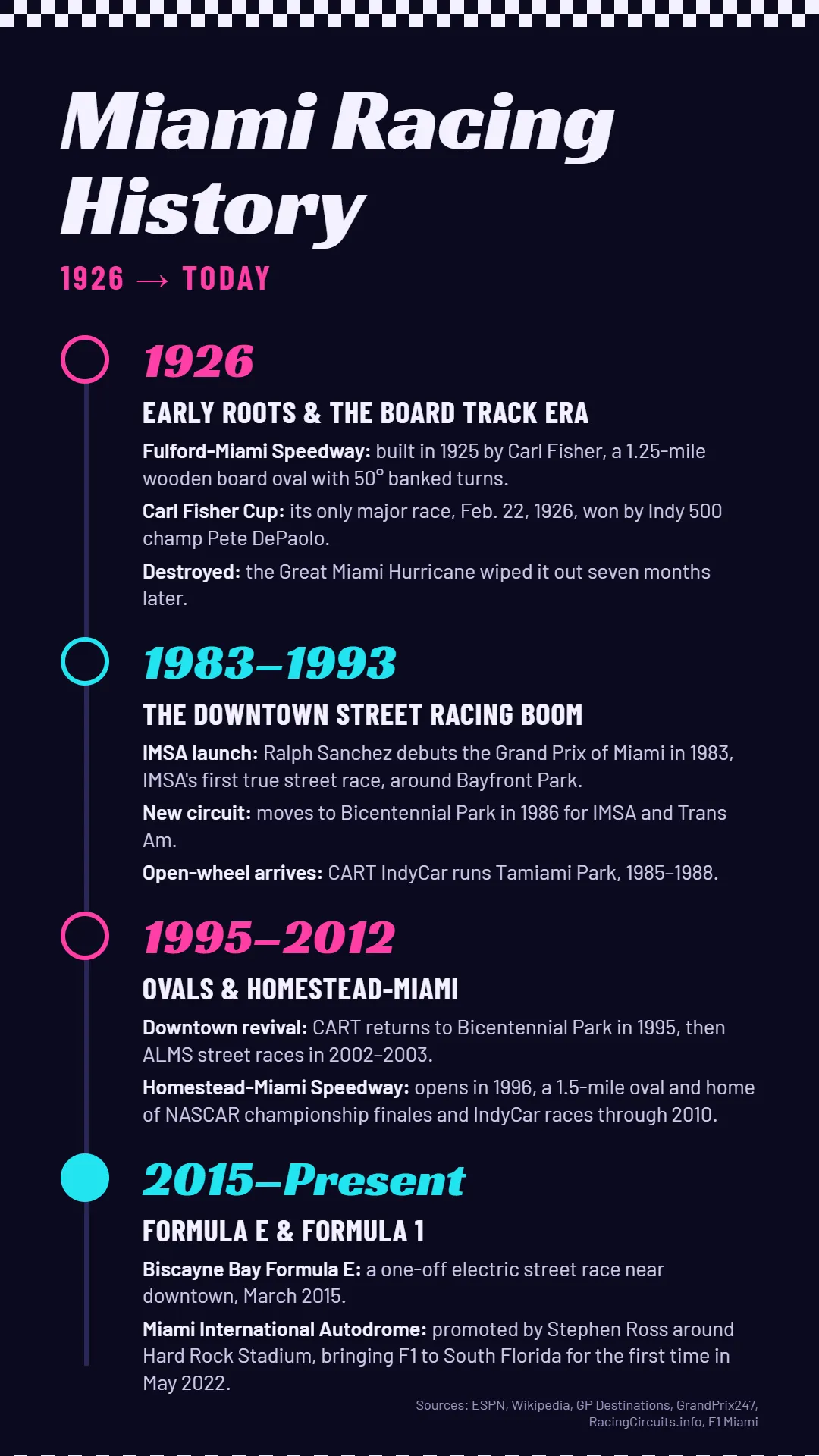
Miami's need for speed goes back a full century. In 1925, Carl Fisher, the Indianapolis Motor Speedway co-founder who also developed Miami Beach, built the Fulford-Miami Speedway in what is now North Miami Beach. It was a 1.25-mile wooden board track with turns banked at a ridiculous 50 degrees. It hosted exactly one race, on February 22, 1926, when reigning Indy 500 champ Peter DePaolo won in front of 20,000 people. That September, the Great Miami Hurricane ripped the track apart and scattered its lumber across the neighborhood. In March 1966 a proper drag strip opened on Pines Boulevard in Pembroke Pines. Known over the years as Miami Dragway, Miami-Hollywood Speedway and a handful of other names, it drew legends like "Big Daddy" Don Garlits, "Jungle Jim" Liberman, "TV Tommy" Ivo and Shirley Muldowney. It hosted the IHRA Winter Nationals in 1975 and 1976, and even squeezed in a 1969 rock festival with Santana and the Grateful Dead. Suburbia eventually won: the last race ran December 13, 1992, after new homes crept west and the neighbors complained, and a subdivision sits on the strip today.
Promoter Ralph Sanchez launched the Grand Prix of Miami in 1983 on downtown streets including Biscayne Boulevard. A storm cut the planned 310-mile race to just 50 miles and three hours to thirty minutes. By the 1990s the action had spread to Tamiami Trail, Krome Avenue, County Line Road, South Dixie Highway and Sheridan Street in Hollywood. The format was simple: around 1 a.m., two cars lined up side by side, spectators parked on the shoulder, and a starter dressed in black dropped his arms. The cars were built-up Honda Civics, Acura Integras and Mitsubishi Galants, run by car clubs with names like The Firm, and the stakes were pride, bragging rights and reputation.
'I Feel Like Willy Falcon' Collection

This store doesn’t have products yet.
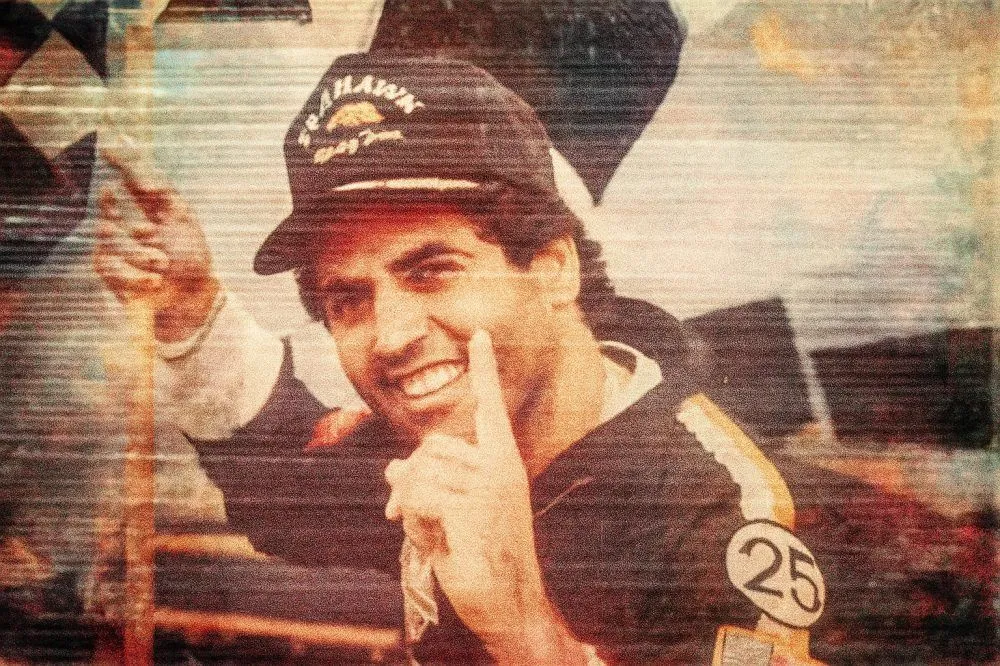
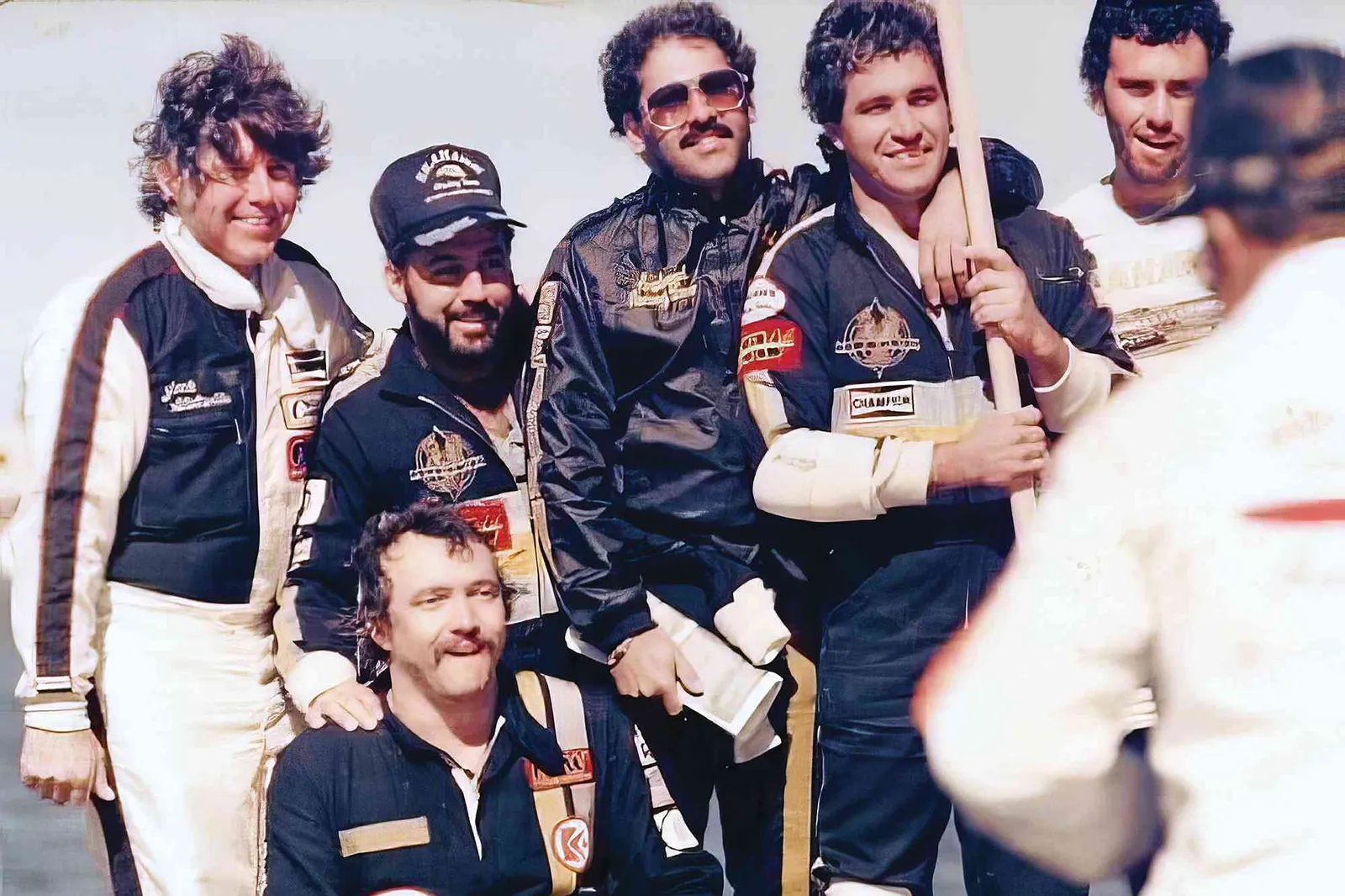
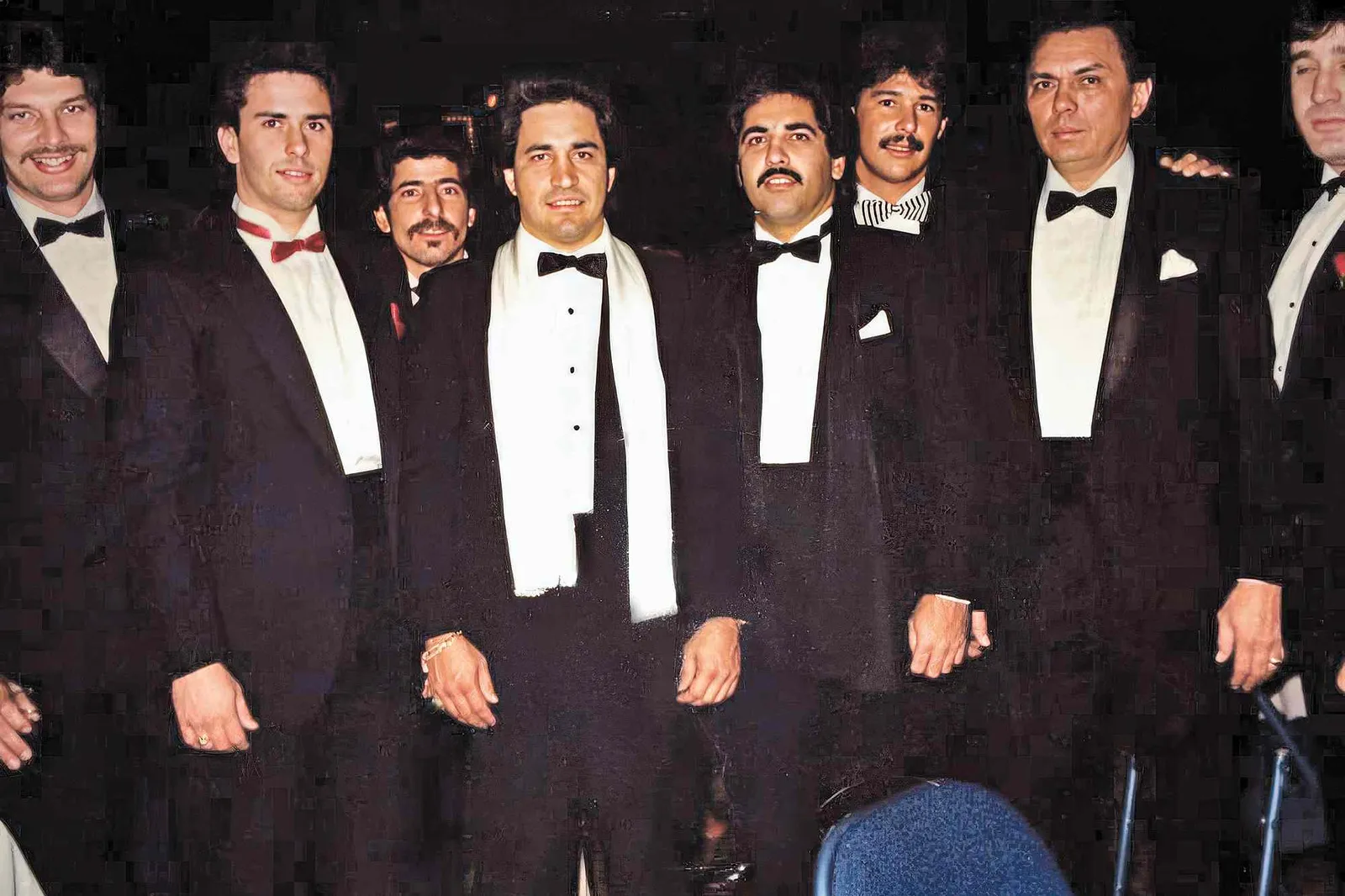
In the 1980s, Miami was a city rising from the ashes, and the harbingers of South Florida’s golden age of excess were an unlikely duo: Augusto Guillermo “Willy” Falcon and Salvador “Sal” Magluta—two Miami Senior High School dropouts.
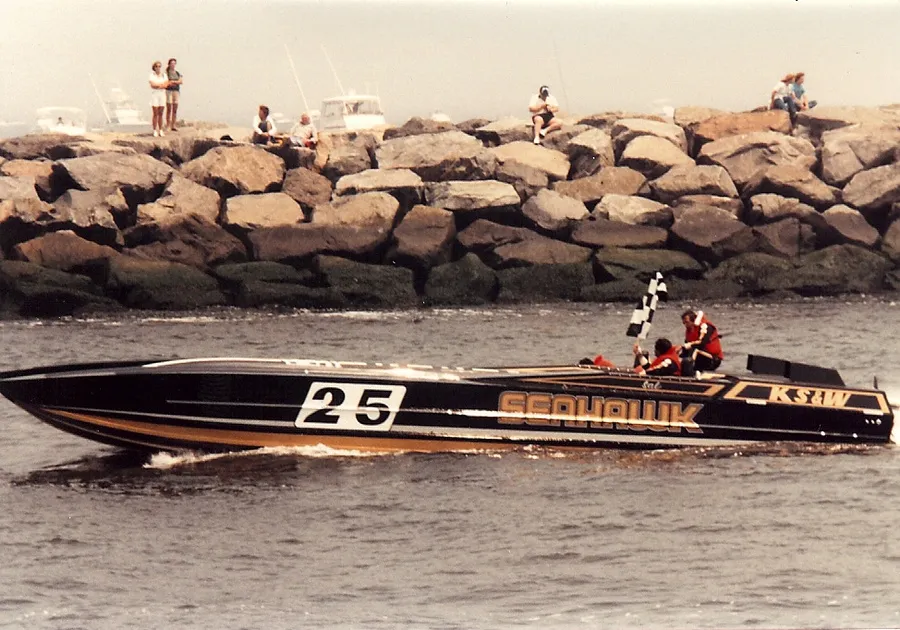
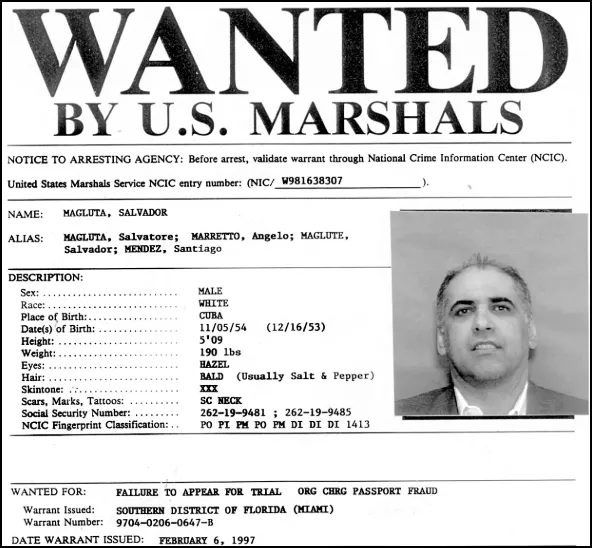
After securing a line straight to Pablo Escobar's Medellin Cartel, Willy & Sal transformed it into a well-oiled business, eventually running the East Coast's largest cocaine smuggling operation; Colombian cocaine straight into the Port of Miami using speedboats. They were estimated to have amassed $2.1 billion through the sale of seventy-five tons of cocaine. While pursuing Falcon and Magluta, federal agents seized more than $16 million in real estate. Despite the fact that the United States was suffering an economic recession in the 1980s, Miami’s Federal Reserve System branch had a currency surplus of $5 billion, which at the time was more than the nation’s twelve Federal Reserve banks combined. According to Bill Corben, director of the 2021 Netflix documentary 'Cocaine Cowboys: The Kings of Miami', ”laundering money through real estate during the cocaine boom was an unfortunate consequence explained by Ronald Reagan’s trickle-down economics: The money from the drug trade was going everywhere and one of the most prominent places it went to was Miami’s number one industry, real estate, which generated $9 billion a year, and the drug trade was estimated to bring in $12 billion a year into Miami’s local economy. Eventually Sal's hideout was raided & they beat EVERY drug charge by bribing the jury - meanwhile witnesses were turning up dead. The feds were able to pin them to the cover up; Willy took a plea, did 20 years in prison, got deported & vanished without a trace. Sal didn't get quite as lucky - he took a risk on a trial and got 195 years. He is currently living out his sentence at USP Allenwood, a max security prison in Pennsylvania.
'Florida Robbery' Collection
This store doesn’t have products yet.
The Florida Lottery began operation on January 12, 1988, approved by Florida voters in the general election of November 4, 1986. The lottery was established to generate additional funding for public education in Florida, with a significant portion of revenue directed to the Education Enhancement Trust Fund. The law stipulated that 50% go to prizes, 38% go to education, and the remaining 12% used for lottery administration and promotion. Within a few years, the legislature began to subvert the original intent. In the state budget, they began to use lottery money to pay for education operating costs and salaries while shifting those tax dollars to pet projects and non-educational spending.
The Bright Futures scholarship program is funded by the Florida Lottery. Since the program's inception in 1997, the Florida Lottery has contributed more than $3.9 billion to send over 600,000 students to college.
The Florida Lottery has introduced a variety of games; notable additions include the Play 4 game in 1991, the addition of a cash option to Florida Lotto in 1998, and the launch of Mega Millions tickets in 2013
Florida Lotto is drawn each Wednesday and Saturday during a live broadcast at 11:15 p.m. A single ball machine is used with numbered balls ranging from 1 through 53 (before October 24, 1999, there were 49 balls). Anyone who matches all six numbers in any order wins or shares the jackpot.